Behaviour & Guidance
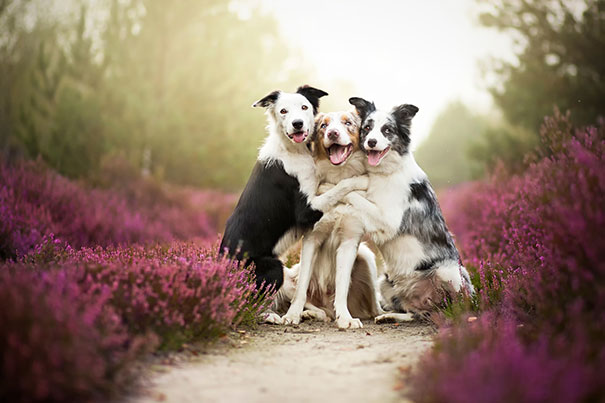
Do dogs really need canine friends?
One of the biggest misconceptions in the dog world is the belief that every dog needs regular playtime with other dogs.
The truth is that while some dogs genuinely enjoy canine companionship, others are perfectly happy without it. From a behavioural perspective, a dog’s ability to remain calm and relaxed around other dogs is often far more important than their desire to interact or play.
Not every dog is naturally social. Some prefer space, quiet, and spending time with their owner rather than engaging with other dogs—and that’s completely normal.
Proper socialisation isn’t about encouraging your dog to play with every dog they meet. It’s about teaching them to feel safe, remain calm, make good decisions, and move comfortably through the world without excessive excitement, fear, stress, or anxiety.
A well-socialised dog doesn’t have to love every dog they meet. They simply need to be able to coexist peacefully and confidently in the presence of other dogs.
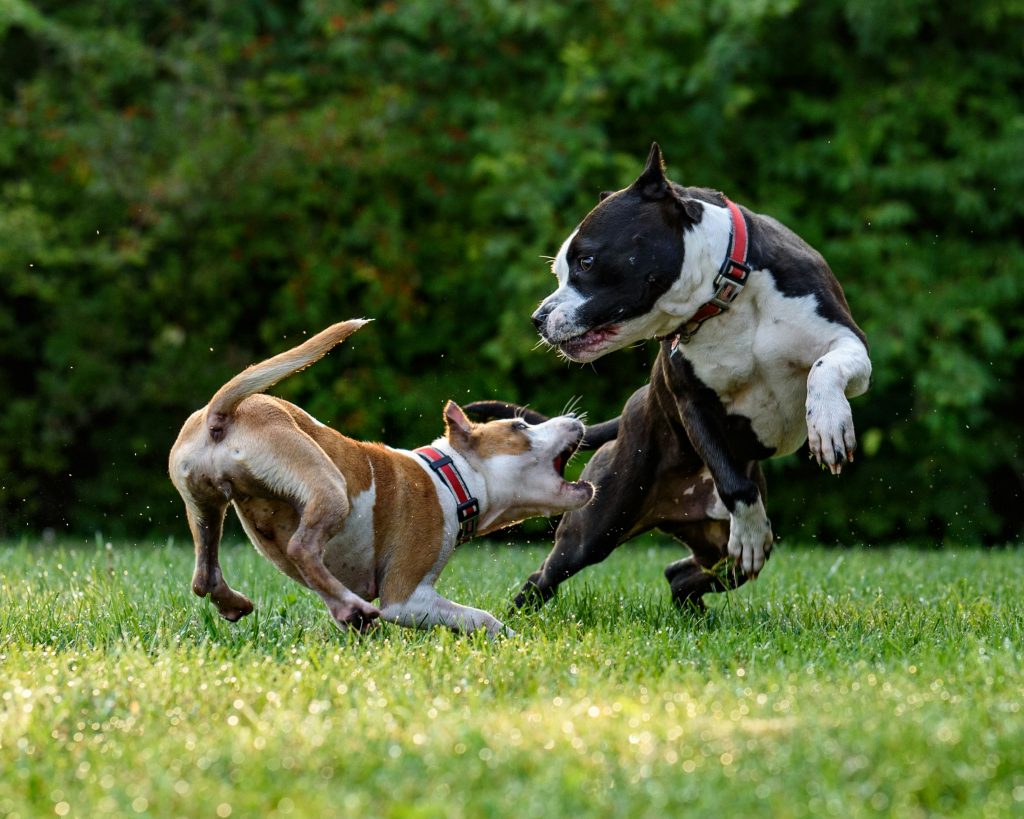
Is your dog reactive
Dog reactivity is a complex behavioural issue, and there is rarely a single cause. Many reactive dogs have a naturally lower threshold for nervous system arousal, meaning they respond more quickly and intensely to stimuli that other dogs may handle calmly.
Behind reactive behaviour are often strong emotions such as fear, frustration, excitement, or anxiety. These emotional responses can become overwhelming, making it difficult for the dog to regulate its behaviour.
Common factors that contribute to reactivity include:
• Genetics and temperament – A dog’s sensitivity to stress and arousal can be inherited. Research also suggests that chronic stress experienced by the mother during pregnancy may influence the development of her puppies’ stress responses.
• Incomplete or poor socialisation – Limited positive exposure to people, dogs, different environments, sounds, and everyday situations during early development can make it harder for a dog to cope with novelty later in life.
• Negative experiences – Traumatic events, such as being attacked by another dog, knocked over by a cyclist, or frightened by a threatening person, can create lasting emotional associations that contribute to reactive behaviour.
Understanding why your dog is reactive is the first step towards helping them feel safer and more confident.
If you’d like to learn more about the causes of reactivity and how to support your dog, I’d love to see you at my group sessions.

Your Dog Isn’t Listening?
Perhaps the problem isn’t your dog.
Dogs are incredibly good at reading our body language, emotions, and behaviour. They can detect uncertainty, frustration, stress, and hesitation long before we say a word.
Our emotional state influences the way we communicate, and our dogs respond to it.
When we’re inconsistent or unclear, many dogs begin making their own choices—not because they’re trying to dominate us, but because they’re responding to the information available to them and doing what feels most rewarding, safe, or predictable.
Clear communication, consistency, and calm leadership help dogs understand what is expected of them. The more confident and predictable we are, the easier it is for our dogs to make good decisions.
Remember, dogs repeat behaviours that work for them. If we unintentionally reinforce unwanted behaviours or fail to provide clear guidance, those behaviours are likely to continue.
Training isn’t just about teaching your dog—it’s also about learning how to communicate in a way they can understand.